Xavier Giannoli's "Les Rayons et les Ombres": A Chilling Masterclass in Moral Ambiguity
Xavier Giannoli, a filmmaker renowned for his intricate character studies and politically charged narratives like the critically acclaimed Illusions Perdues and the recent series D'argent et de sang, returns to the big screen with an epic cinematic endeavor: Les Rayons et les Ombres. This ambitious, three-hour-plus historical drama is poised to challenge perceptions and provoke profound reflection, distinguishing itself from upcoming WWII productions by daring to explore the disquieting world of collaboration rather than focusing solely on resistance.
In a bold artistic move, Giannoli presents a nuanced portrait of a notorious collaborator and his daughter, eschewing simplistic hero-villain dichotomies. The film, whose title intrigue les rayons of human nature and history, delves into the murky depths where good intentions can subtly morph into active complicity. It is a powerful reminder that the path to moral compromise is often paved with a thousand small, almost imperceptible steps, rather than a single, dramatic fall. As Honoré de Balzac, whose Illusions Perdues Giannoli so masterfully adapted, famously posited, "Everything is excused and justified in an era where virtue has been transformed into vice, just as certain vices have been elevated into virtues." This profound observation could well serve as the film's philosophical cornerstone, unraveling the justifications and self-deceptions that allow individuals to reconcile their actions with a darkening world.
Unveiling the Intricate Web of Collaboration and Compromise
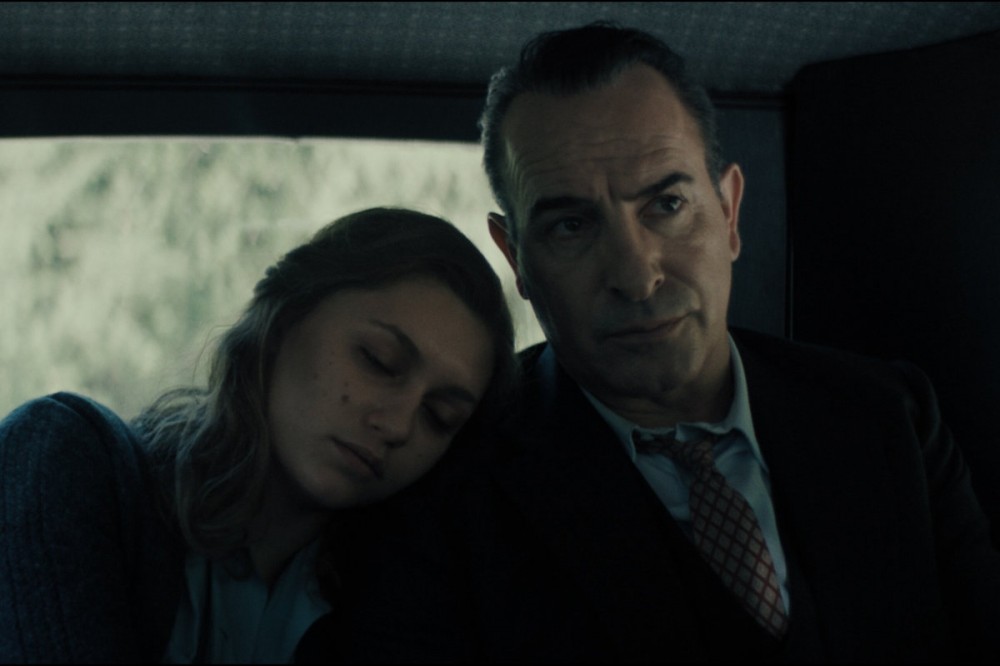
At the heart of Les Rayons et les Ombres lies the powerful narrative of Corinne (portrayed by the luminous Nastya Golubeva, daughter of Léos Carax), who recounts her father's past to Chilean migrants in 1948, years after the war's conclusion. Her story casts a penetrating light on the actions of her father, Jean Luchaire (a compelling Jean Dujardin), a journalist whose initial intentions to maintain peace and dialogue gradually entangled him in the web of occupation. This narrative choice — framing a historical reckoning through a personal testimony years later — adds a layer of introspection and retrospective judgment that elevates the film beyond a mere historical retelling. It allows for a deeper examination of memory, guilt, and the complex process of coming to terms with a painful legacy.
Giannoli masterfully crafts parallel journeys, extending his gaze beyond the French collaborator to include a German man (superbly played by August Diehl) who, like Luchaire, initially believes he can effect change or ensure a form of peace from within the system. Their stories illustrate how a flawed, yet seemingly logical, reasoning can lead individuals to accept increasingly untenable compromises. This belief in the possibility of "dialoguing with fascists" or "changing things from the inside" becomes a tragic delusion, slowly but surely paving the way for active participation in a corrupt and oppressive regime. The film's brilliance lies in showing how this evolution is not a sudden embrace of evil, but a creeping, insidious erosion of principles, often disguised as pragmatism or a desire to protect loved ones. This nuanced depiction is essential for understanding the human dimension of historical atrocities, urging viewers to consider the subtle shifts that can lead even well-intentioned individuals astray.
The Chilling Power of Gradual Erosion: A Society Under Siege
Giannoli's meticulous historical reconstruction is nothing short of magistral, immersing the audience in key historical locations and moments. The film brilliantly captures how the insidious nature of antisemitism slowly gained ground, gradually desensitizing the population to the escalating horrors. Scenes depicting the suppression of information, the reduction of liberties, and the stigmatization of entire groups unfold with chilling authenticity. The film does not shy away from the horrifying reality of what these compromises led to, showing the blind eye turned to the emerging labor camps and the early roundups.
One particularly harrowing sequence highlights the mortifying celebration of the return of Napoleon's son's ashes, "L'Aiglon." This scene, symbolic of a nation turning inward to a romanticized past even as its present unravels, serves as a grim turning point, marking an irreversible descent into active collaboration and moral decay. It’s in these moments that the film truly excels, demonstrating how seemingly disparate events coalesce to create a climate of fear and complicity. The performances by Dujardin and Diehl are vital here, portraying men who believe they are in control, yet are joyously participating in the systematic dismantling of freedom and human dignity. They embody the terrifying reality that power, even when wielded with ostensibly good intentions, can quickly become corrupting.
For those seeking to understand the psychological underpinnings of collaboration and the subtle erosion of moral boundaries, Giannoli's film offers invaluable insights. It encourages us to look Beyond Good and Evil: Moral Shadows in Les Rayons et les Ombres, pushing past simplistic labels to explore the complex motivations and self-deceptions that drive human behavior in times of crisis.
Contemporary Echoes: Why "Les Rayons et les Ombres" Resonates Today
Les Rayons et les Ombres is far more than a historical drama; it's a stark, urgent warning for our present times. Giannoli deliberately draws parallels between the mechanisms of power concentration, the rise of extremist ideologies, the resurgence of antisemitism, and the attacks on press freedom during WWII, and similar phenomena witnessed today. The film serves as a potent reminder of how readily societies can succumb to manipulation and authoritarianism when vigilance wanes.
In a world grappling with renewed geopolitical tensions, misinformation, and the erosion of democratic norms, Giannoli's work compels us to examine the contemporary landscape with a critical eye. It highlights the dangers of allowing narratives of "peace" or "order" to mask darker agendas, such as the "grand pillage" of other nations, echoing concerns about resource exploitation and neo-colonialism. The film underscores the importance of critical thinking, media literacy, and active participation in safeguarding democratic values.
Practical Insight: Recognizing the Red Flags
- Question Authority: The film illustrates how charismatic leaders and unquestioned authority can lead to widespread complicity. Always scrutinize claims and policies, especially those promising quick solutions or demanding absolute loyalty.
- Protect Press Freedom: Giannoli shows the slow choking of information and independent reporting. A free press is the first line of defense against propaganda and manipulation. Support independent journalism.
- Beware of Incrementalism: The slide into collaboration is rarely a single, dramatic event. Pay attention to small changes in laws, rhetoric, and societal norms that chip away at freedoms and human rights.
- Challenge "Us vs. Them" Narratives: The stigmatization of certain groups is a precursor to more severe persecutions. Actively resist and challenge divisive language and discriminatory practices.
- Understand the Power of Justification: People often rationalize their complicity with seemingly noble reasons (e.g., "for peace," "to protect my family," "it's the only way"). Be wary of justifications that compromise fundamental ethical principles.
Ultimately, Les Rayons et les Ombres is a powerful examination of the human capacity for both light and shadow, reminding us that vigilance against the forces of extremism and moral compromise is an ongoing imperative. Its tension is palpable, its lessons enduring, and its relevance undeniable, making us reflect on Why Les Rayons et les Ombres Resonates Today: Power, Lies & WWII.
In conclusion, Xavier Giannoli's Les Rayons et les Ombres stands as a monumental cinematic achievement. It is a film that demands our attention, not just for its exquisite craftsmanship and powerful performances, but for its profound moral courage in tackling one of history's most complex and uncomfortable truths. By exploring the mechanisms of collaboration and the subtle seduction of compromise, Giannoli offers a chilling, yet essential, reflection on human nature and the societal forces that can lead to unfathomable darkness. This film is more than entertainment; it is a vital historical lesson, an artistic triumph, and a urgent call to introspection for audiences everywhere.